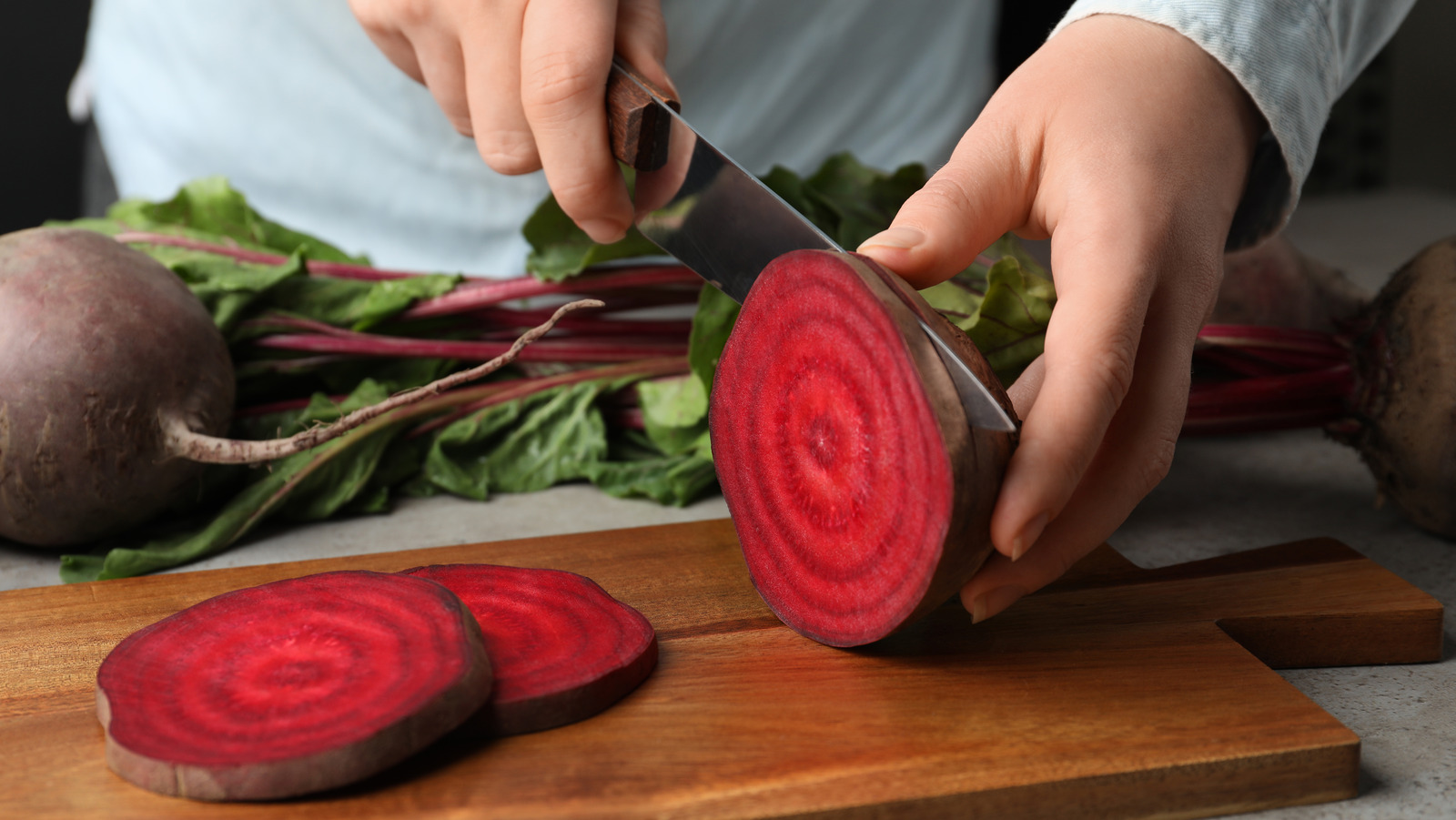
Stop the Stains: Essential Tips for Cooking Beets Mess-Free
Beets are a vibrant, earthy, and incredibly nutritious root vegetable, bursting with natural sweetness and a host of health benefits. From supporting heart health to providing anti-inflammatory properties, they're a fantastic addition to any diet. However, for many home cooks, the thought of preparing beets brings a common dread: the dreaded crimson stain. Beet juice, with its potent betalain pigments, has a notorious way of leaving its mark on hands, cutting boards, countertops, and even clothing. But what if we told you that enjoying perfectly cooked beets doesn't have to turn your kitchen into a crime scene? This comprehensive guide will show you how to cook beets while minimizing the mess, making them an approachable and enjoyable staple in your culinary repertoire.
The Secret to Mess-Free Beet Preparation: It Starts Before You Cook
The journey to stain-free beet enjoyment begins even before you turn on the stove. Strategic selection and thoughtful initial preparation are your first lines of defense against the red tide.
Picking the Perfect Beets: Foundation for a Clean Cook
Start by selecting the right beets from your grocery or health food store. Quality beets are not only more delicious but also often easier to handle and peel, contributing to a less messy experience.
- Freshness is Key: Look for beets that still have their stems and greens attached. This is a clear indicator of freshness. The greens themselves are highly nutritious and can be steamed, sautéed, or added to salads – a bonus!
- Firm and Flawless: Choose beets that are firm to the touch, with smooth, blemish-free skin. Avoid any with wrinkles, soft spots, or bruises, as these can be older, tougher, and potentially more prone to leaking juice prematurely.
- Mind the Roots: Steer clear of beets with overly hairy taproots, which can signal maturity and a tougher, woodier texture that might require longer cooking times and be harder to peel cleanly.
- Size Matters for Speed: While large beets are impressive, smaller to medium-sized beets cook faster and are often more tender, making them ideal for quick preparation and easy handling.
For more in-depth advice on choosing and prepping, check out our guide on Picking & Prepping Beets: Get the Best from Market to Plate.
Pre-Cooking Prep for Stain Prevention: Your Golden Rules
This is where most of the mess is prevented. Following these simple rules will drastically reduce the red chaos:
- The Unpeeled Truth: The absolute most critical rule for boiling or steaming beets whole is to never peel or cut them before cooking. The skin acts as a natural barrier, trapping the vibrant red pigments inside the beet. Peeling raw beets is a surefire way to create a vivid, staining mess from the outset.
- Strategic Trimming: When you get your beets home, trim the greens off, but leave about 2 inches of the stem attached to the top of the beet. Similarly, leave the root end intact. These small bits act as "seals" during cooking, further preventing the red color from seeping out into your cooking water.
- Protect Your Hands & Surfaces: While you're not peeling yet, be mindful when handling raw beets. Consider wearing kitchen gloves from the start if you're particularly prone to stains. Always use a dedicated cutting board (perhaps one that's already stained or dark-colored) for trimming, or place a piece of parchment paper under your beets to protect your countertop.
Mastering Mess-Free Cooking Methods: How to Cook Beets Without the Red Tide
Once your beets are prepped, selecting the right cooking method and employing a few smart techniques will keep your kitchen pristine.
Boiling Beets: The Classic, Controlled Method
Boiling is one of the simplest ways to achieve tender beets, and with our mess-free tips, it's also surprisingly clean.
- Submerge Whole: Place your prepped, untrimmed beets (with 2 inches of stem and root ends still attached) into a saucepan.
- Water & Vinegar Magic: Cover the beets with cold water. Add a generous pinch of salt and, crucially, at least 1 teaspoon of vinegar (apple cider or white vinegar works well). The vinegar helps to stabilize the beet's pigments, minimizing color bleed into the water.
- Boil Until Tender: Bring the water to a boil, then reduce heat and simmer until the beets are tender when pierced with a fork. This usually takes 30-45 minutes for small to medium beets, but larger ones can take up to 60 minutes.
- Cold Water Shock: Once tender, drain the hot water and immediately run cold water over the beets or plunge them into an ice bath. This stops the cooking process and, more importantly, causes the skins to loosen and slip off effortlessly.
- The Glove Guard: When ready to peel, put on a pair of kitchen gloves! This is your ultimate protection against red hands. The skins, along with the root ends, should slip right off with a gentle rub under cold running water. Discard the skins immediately to prevent further staining.
Steaming Beets: Gentle, Nutritious, and Clean
Steaming is a fantastic method that retains more of the beets' nutrients and natural flavor. When done correctly, it's also incredibly clean.
- Steamer Setup: Place your whole, prepped beets (stems and roots intact) into a steamer basket or insert.
- Vinegar-Infused Water: Fill the pot beneath the steamer with salted water and add a splash of vinegar. Bring the water to a boil.
- Cover and Steam: Place the steamer basket with beets over the boiling water, cover the pot tightly, and reduce the heat to medium or medium-low.
- Cook to Tenderness: Steam until the beets are tender, typically 30-50 minutes, depending on their size. Ensure the water doesn't completely evaporate during cooking.
- Cool & Peel: Once cooked, remove the beets and run them under cold water. Again, don your kitchen gloves and the skins will easily slide off.
While some methods suggest peeling and slicing beets before steaming for faster cooking, this significantly increases the risk of mess. For a truly mess-free experience, stick to cooking them whole.
Other Mess-Reducing Methods
Beyond boiling and steaming, other popular methods like roasting and pressure cooking can also be mess-minimized:
- Roasting: Roasting beets often involves wrapping them in foil (sometimes with parchment paper inside the foil to prevent direct contact) or placing them in a sealed roasting dish. This contains any juices during the cooking process. Peeling is done after roasting and cooling, often with gloves. The dry heat can even make the skins easier to rub off.
- Instant Pot/Pressure Cooking: This method is incredibly contained, with beets cooking quickly in a sealed environment. Any potential mess is kept entirely within the pot until you're ready to cool and peel them.
For more detailed instructions on these and other methods, explore our comprehensive guide: How to Cook Beets: 6 Easy Methods for Perfect Results.
Post-Cooking Pointers: Peeling and Serving Without the Splatter
You've cooked your beets mess-free, but the potential for stains isn't over yet! The final steps require continued vigilance.
- The Glove Protocol: We cannot stress this enough – always wear kitchen gloves when peeling and handling cooked beets. Your hands will thank you.
- Effortless Peeling: After the cold water bath, the skins of whole-cooked beets should literally slip right off with a gentle rub. You can use a paper towel or an old cloth to help grip and rub the skins away. This minimal friction prevents juice from splattering.
- Immediate Cleanup: Once peeled, dispose of the red skins immediately in a trash bag. If you need to cut the beets, use your dedicated cutting board or line a clean board with parchment paper. Rinse your knife, cutting board, and any utensils immediately after use to prevent stains from setting.
- Creative Serving Suggestions: Now that your beets are perfectly cooked and peeled, they're ready to be enjoyed! Simple seasonings like melted butter, salt, and black pepper are classic. Elevate them further with fresh herbs like minced chives, parsley, or basil. A sprinkle of savory or caraway seeds adds an unexpected depth. For a brighter flavor, a squeeze of lemon juice or a dash of balsamic vinegar can work wonders.
Beyond the Red: Exploring Different Beet Varieties & Their Benefits
While the vibrant red beet is the most common and notorious for its staining power, the world of beets is far more diverse. Don's let the fear of red dye deter you from exploring!
- Golden Beets: These beautiful yellow-orange beets offer a milder, sweeter flavor profile and, most importantly for the mess-conscious cook, significantly less staining pigment. They still offer wonderful nutritional benefits without the intense crimson.
- Candy Cane Beets (Chioggia Beets): With their striking red and white concentric rings when sliced, these beets are a visual delight. Their color tends to be less prone to bleeding than traditional red beets, especially when roasted.
- Purple/Deep Red Varieties: While different shades exist, the core mess-free principles apply to all.
Regardless of the color, all beets are nutritional powerhouses. They are rich in fiber, folate, manganese, potassium, and vitamin C. Their natural sugars make them incredibly versatile, suitable for savory dishes, salads, grain bowls, and even sweet applications like beet juice. Embracing our mess-free techniques allows you to enjoy the benefits of all these varieties without hesitation.
Conclusion
Cooking beets doesn't have to be a daunting, messy endeavor. By following these essential tips – from carefully selecting your beets and practicing smart pre-cooking preparation to utilizing proper cooking and post-peeling techniques – you can enjoy this healthy, delicious root vegetable without turning your kitchen into a crime scene. Embrace the vibrant flavors and nutritional bounty of beets with confidence, knowing you have the tools to keep your hands, surfaces, and sanity stain-free!
