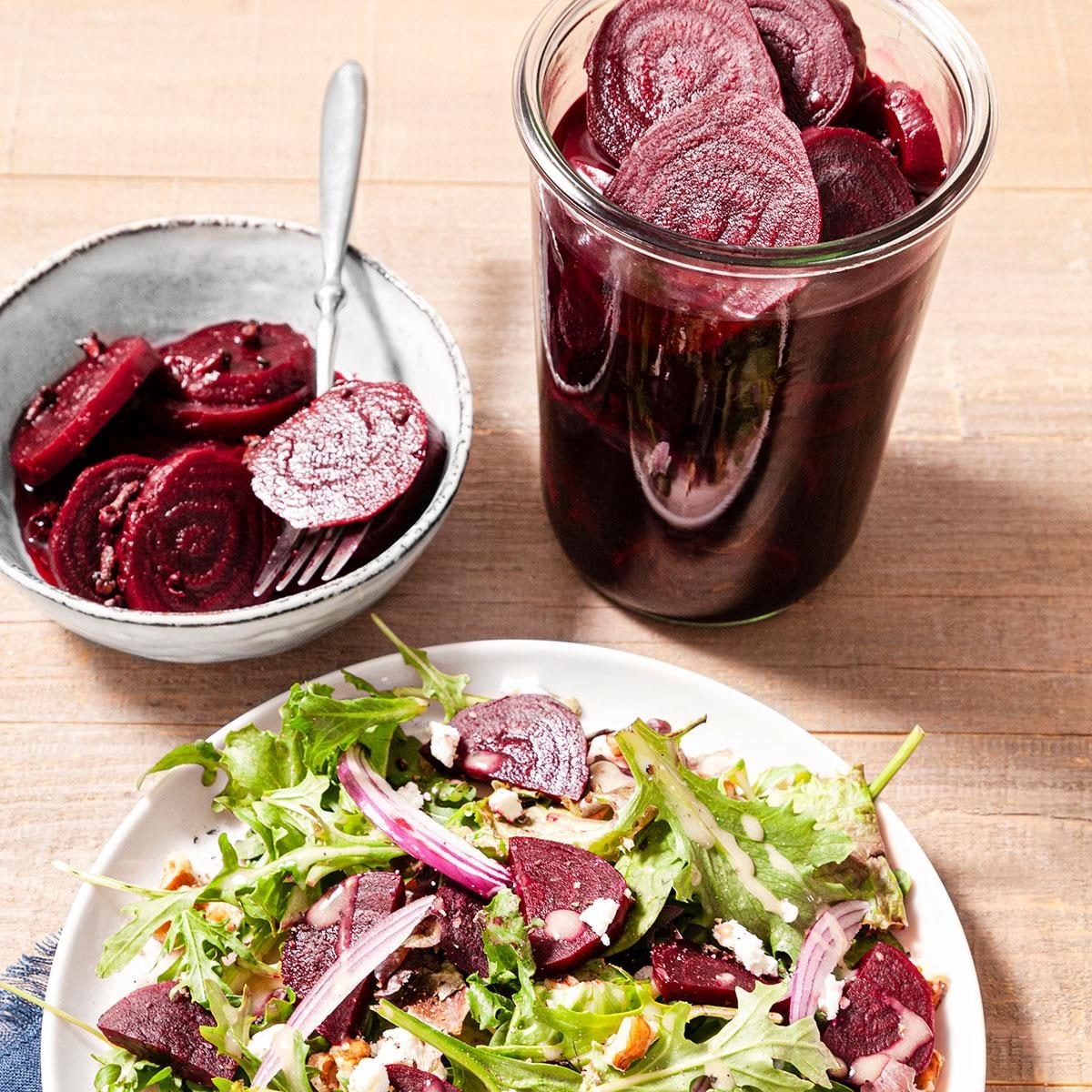
Picking & Prepping Beets: Get the Best from Market to Plate
Beets, with their vibrant hues and earthy sweetness, are a versatile root vegetable that can elevate any meal. From a simple side dish to a starring role in salads, juices, and even desserts, their nutritional power and unique flavor profile make them a favorite among home cooks and chefs alike. But to truly unlock their potential, knowing how to select the freshest beets and prepare them properly before you even begin to cook them is paramount. This guide will walk you through the essential steps, ensuring you get the best from market to plate, making the process of
how to cook beets not just easy, but truly rewarding.
Selecting the Perfect Beets: From Market to Kitchen
The journey to perfectly cooked beets begins long before you even turn on the stove. Choosing high-quality beets at the grocery store or farmer's market is the first and most crucial step. Here’s what to look for:
- Firmness and Skin Quality: Gently squeeze the beetroots. They should feel firm to the touch, with smooth, unblemished skin. Avoid any beets that feel soft, spongy, or have wrinkly skin, as these are signs of dehydration and age, indicating they won't be as fresh or flavorful. Bruises or cuts can also lead to quicker spoilage.
- The Power of the Greens: Whenever possible, opt for beets that still have their lush green tops and stems attached. This is a strong indicator of freshness, as the greens are usually the first part to wilt. Even better, these greens are incredibly nutritious and shouldn't be discarded! They can be steamed, sautéed, or even shredded raw into salads, offering a delicious bonus ingredient.
- Root Quality: Examine the taproot – the thin, tail-like root extending from the bottom of the beet. While a small taproot is normal, avoid beets with overly hairy or abundant tiny rootlets. This can signify an older, more mature beet that might be woody or tough in texture.
- Size Matters (for convenience): Beets come in various sizes, from small golf-ball dimensions to large softball-like roots. While all are delicious, consider your cooking time and desired serving size. Smaller to medium-sized beets generally cook faster and are often more tender. Larger beets can take significantly longer to become tender, sometimes up to an hour or more, regardless of the cooking method.
- Color Varieties: Don't limit yourself to just the common deep red beets! Keep an eye out for golden beets, which offer a milder flavor and less staining, or the whimsical candy cane beets (Chioggia beets) with their beautiful concentric rings of red and white. All beet varieties share similar nutritional benefits, so feel free to experiment and add a pop of color to your dishes.
- Organic Advantage: If available, choosing organic beets is often a good idea, especially if you plan to consume the greens. This reduces exposure to pesticides and ensures a purer flavor.
Essential Pre-Cooking Preparation for Beets
Once you’ve selected your perfect beets, it’s time for some strategic preparation. This stage is critical for maintaining flavor, color, and texture during the cooking process.
The golden rule for preparing beets for boiling or steaming is this:
do not peel or trim the ends excessively before cooking. Leave about 2 inches of the stem attached at the top and the entire taproot at the bottom. This seemingly small detail plays a significant role in preventing the beet’s vibrant red pigment from "bleeding" out into the cooking water, preserving its intense color and some of its natural sweetness. If you cut into the flesh before cooking, those precious nutrients and pigments will escape, resulting in a paler, less flavorful beet.
Here’s a step-by-step guide to pre-cooking prep:
- Separate the Greens: If your beets came with greens, carefully twist or cut them off, leaving approximately 2 inches of stem attached to the beetroot. Don't discard these greens! Rinse them thoroughly under cold water to remove any dirt or grit. They can be stored in a separate bag in the refrigerator for a few days and used in salads, sautéed, or added to smoothies.
- Rinse the Beets: Gently scrub the beetroots under cold running water to remove any soil. A vegetable brush can be helpful here, but be careful not to break the skin or cut into the beet. Remember, we want to keep that skin intact.
- Stain Prevention: Beets are notorious for their potent staining power. Their betalain pigments can quickly turn hands, cutting boards, and clothing a vibrant fuchsia. To avoid this, consider wearing kitchen gloves during this preparation stage, especially if you have light-colored countertops or are prone to making a mess. For more detailed strategies on managing beet stains, check out our guide on Stop the Stains: Essential Tips for Cooking Beets Mess-Free.
- Store Properly: If you're not cooking your beets immediately, separate the greens from the roots. Store the unwashed beetroots in a plastic bag in the crisper drawer of your refrigerator for up to 2-3 weeks. Store the greens separately, loosely wrapped in a damp paper towel or in a plastic bag, and use them within a few days.
Getting Ready to Cook: A Method-Specific Prep Guide
While the core principle of leaving the skin and ends intact holds true for most whole beet cooking methods, understanding how this plays into specific techniques can enhance your results.
*
For Boiling and Steaming: As mentioned, this is where the "leave ends intact" rule is most critical. Whether you're submerging them in salted, slightly acidified water (a dash of vinegar helps tenderize and further sets the color) or placing them in a steamer basket, resist the urge to peel or trim excessively. The goal is to cook them whole until tender. Boiling typically takes 30-45 minutes for medium beets, up to 60 minutes for larger ones. Steaming can be slightly quicker depending on steam intensity.
*
For Roasting: While some recipes might suggest peeling and cubing raw beets for roasting, the easiest and often most flavorful method is to roast them whole, with the skin and ends intact, much like boiling or steaming. Wrap individual beets in foil or place them in a covered baking dish with a splash of water. This traps moisture and steam, resulting in incredibly tender and sweet beets. After roasting, the skins will slip off effortlessly.
*
For Instant Pot/Pressure Cooking & Microwaving: These quicker methods also benefit greatly from keeping the beets whole, unpeeled, and with ends trimmed minimally. The high-pressure environment or rapid microwave cooking will tenderize them beautifully, and the skin will still be easy to remove post-cooking.
Once your beets are cooked and cooled, the real magic of preparation begins. The skins, along with the trimmed root ends, will slip off remarkably easily. Running cooked beets under cold water or plunging them into an ice bath after draining can make this process even smoother. Remember to wear those gloves again during this peeling stage to prevent staining your hands.
Post-Cooking Perfection: Peeling & Finishing Your Beets
After your beets are wonderfully tender from their bath, steam, or roast, the final steps of preparation bring them to their serving prime.
- Cooling Down: Once cooked, drain the beets (if boiled) and immediately run cold water over them or plunge them into an ice bath. This halts the cooking process, makes them easier to handle, and aids in skin removal.
- Effortless Peeling: This is where your careful pre-cooking prep pays off. With a gloved hand, gently rub the cooled beets. The skins will practically slide right off, along with the small remaining root ends. Any stubborn bits can be easily removed with your fingers or a small paring knife. This method is far superior to peeling raw beets, which is messy, time-consuming, and often results in lost nutrients.
- Slice and Dice: Once peeled, you can slice, dice, wedge, or grate your beets according to your recipe's needs. From chunky wedges for a side dish to finely diced pieces for a salad or relish, the tender flesh is now ready for its culinary destiny.
- Simple Seasoning: For classic serving, simply toss your peeled and cut beets with a knob of melted butter, a sprinkle of sea salt, and freshly ground black pepper.
- Elevated Flavors: Beets pair beautifully with a variety of herbs and spices. Consider fresh basil, savory, a touch of caraway seeds for an Eastern European flair, or a vibrant sprinkle of minced chives or parsley. A drizzle of balsamic vinegar or a squeeze of fresh orange juice can also enhance their natural sweetness and add a bright acidity.
Learning
how to cook beets truly starts with mastering their selection and preparation. By choosing firm, fresh beets with their greens attached and adhering to the simple rule of leaving the skin and ends intact during initial cooking, you set yourself up for success. This careful approach not only preserves their vibrant color and earthy sweetness but also makes the post-cooking cleanup a breeze. So go ahead, pick your perfect beets, prepare them with care, and savor the delicious, nutritious rewards this incredible root vegetable has to offer!