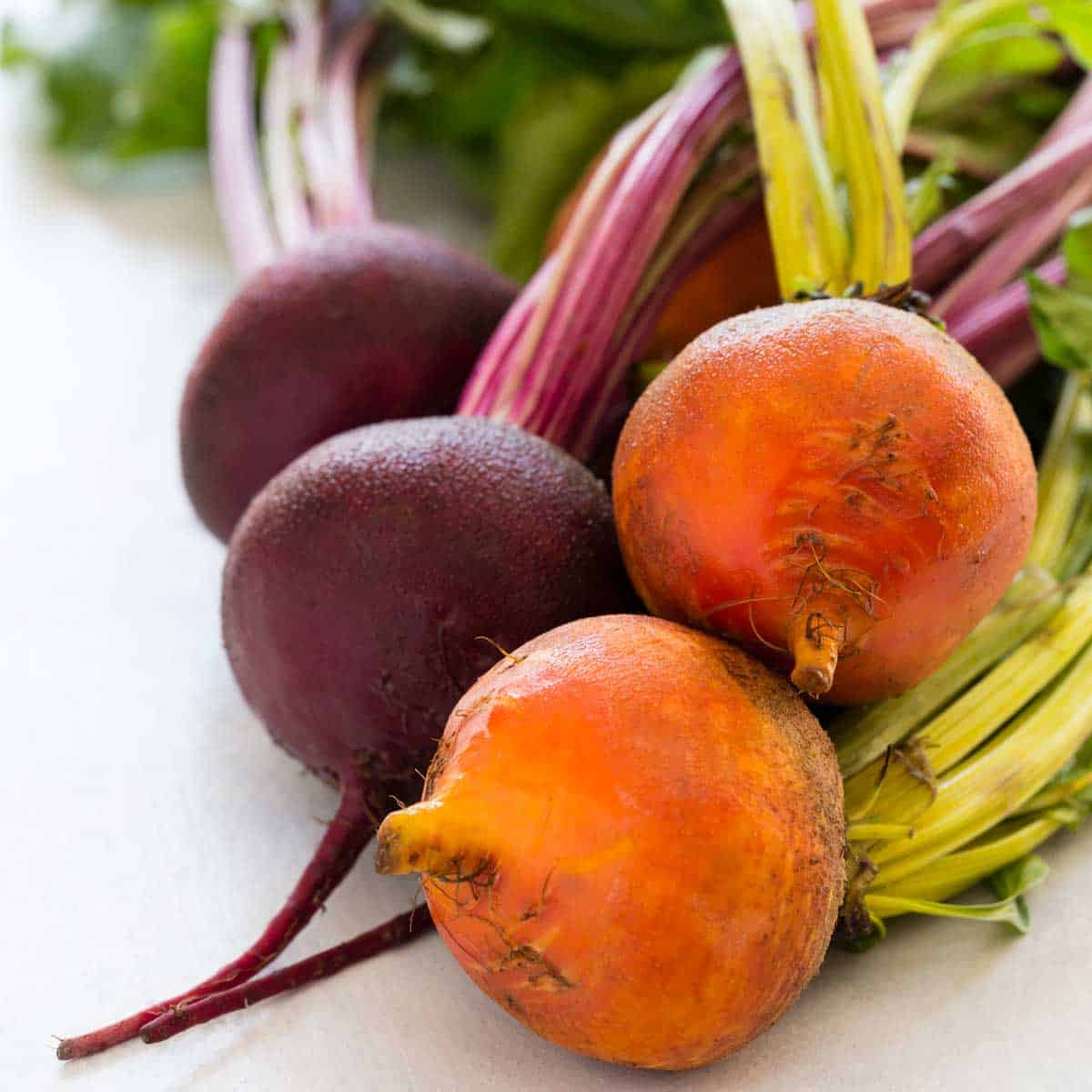
How to Cook Beets: 6 Easy Methods for Perfect Results
Beets, with their vibrant colors and earthy sweetness, are a nutritional powerhouse often overlooked in the kitchen. Packed with vitamins, minerals, and antioxidants, these versatile root vegetables can elevate any meal from a simple side dish to a star ingredient. But if you've ever wondered
how to cook beets to achieve that perfect tender texture and rich flavor without the mess, you're in the right place. We'll explore six straightforward methods that guarantee delicious results every time.
Why You Should Be Cooking Beets
Beyond their striking appearance, beets offer an impressive array of health benefits. They are known for their anti-inflammatory properties, high fiber content, and ability to support heart health. From the most common red beets to golden, purple, and even striped Chioggia (candy cane) varieties, each offers a slightly different flavor profile and visual appeal. Their natural sugars make them incredibly versatile, perfect for savory dishes, salads, grain bowls, or even fresh juices. Learning
how to cook beets opens up a world of culinary possibilities, allowing you to incorporate this superfood into your diet regularly.
Picking the Perfect Beets: Market to Kitchen
The journey to perfectly cooked beets begins at the market. Selecting high-quality beets is crucial for optimal flavor and texture. Here’s what to look for:
*
Firmness & Appearance: Choose beets that are firm to the touch and free of blemishes, bruises, or soft spots. Wrinkly skin can indicate older, drier beets.
*
Greens Attached: Opt for beets with their vibrant green stems and leaves still attached. This is a sign of freshness and means you get a bonus nutritious vegetable that can be cooked separately!
*
Root Ends: Look for a single, thin taproot, avoiding beets with multiple "hairy" roots, which can signal an older, possibly woody beet.
*
Size Matters: While large beets are impressive, smaller to medium-sized beets (2-3 inches in diameter) generally cook faster and tend to be more tender and less fibrous.
For more detailed tips on selecting and storing this wonderful root vegetable, check out our guide on
Picking & Prepping Beets: Get the Best from Market to Plate.
Prepping Your Beets for Any Method
Before you start cooking, a little preparation goes a long way. Beets are notorious for their intense color, which can stain hands and surfaces. Here are essential prep tips:
1.
Wash Thoroughly: Rinse your beets under cold running water to remove any dirt. A vegetable brush can be helpful for tougher spots.
2.
Trim Strategically: For most cooking methods, especially boiling and steaming whole, it's vital to leave about 1-2 inches of the stem and the entire root end intact. This simple trick prevents the vibrant red pigment from "bleeding" out during cooking, keeping your beets colorful and minimizing a messy cooking liquid.
3.
Stain Prevention: When handling raw or cooked beets, especially when peeling, consider wearing kitchen gloves to protect your hands. Use a dedicated cutting board or one that won't show stains, and immediately wipe up any juice that spills on countertops. For more advice on keeping your kitchen clean, read our article on
Stop the Stains: Essential Tips for Cooking Beets Mess-Free.
4.
To Peel or Not to Peel: For boiling and steaming whole, do *not* peel the beets before cooking. The skin, along with the trimmed stem and root, will easily slip off once cooked and cooled, saving you time and mess. For roasting or microwaving diced beets, peeling before cutting is often preferred for presentation and even cooking.
6 Easy Methods for Perfectly Cooked Beets
Now, let's dive into the various ways you can cook beets to perfection. Each method offers unique advantages, allowing you to choose the best fit for your time and desired outcome.
1. Boiling Beets: The Classic Approach
Boiling is one of the most traditional and straightforward ways to cook beets, yielding tender results ideal for salads or simply dressed as a side.
*
Preparation: Wash beets thoroughly, trimming greens but leaving 1-2 inches of stem and the entire root end attached.
*
Process: Place beets in a large saucepan and cover them with at least an inch of cold water. Add a pinch of salt and about a tablespoon of vinegar (white vinegar or apple cider vinegar works well) to help tenderize the beets and maintain their color. Bring to a boil, then reduce heat to a simmer, cover, and cook until tender.
*
Cooking Time: Small beets (1-2 inches) may take 30-40 minutes, while medium to large beets (3+ inches) can take 45-60 minutes, or even longer. Test for doneness by piercing with a fork – it should slide in easily.
*
Finishing: Drain the hot water and immediately run cold water over the beets or plunge them into an ice bath. This "shock" stops the cooking process and makes the skins incredibly easy to slip off. Simply rub the skins away with your gloved hands, and the stem and root ends will come off too.
*
Serving Suggestion: Once peeled, slice, dice, or quarter them. Toss with melted butter, salt, pepper, and fresh herbs like chives or parsley.
2. Steaming Beets: Gentle & Nutritious
Steaming is an excellent method for preserving beets' nutrients and vibrant color, resulting in a slightly firmer texture than boiling.
*
Preparation: As with boiling, wash beets and leave 1-2 inches of stem and the root end intact. For faster cooking, especially if using a large beet, you can cut it in half, but retain the skin. If you prefer to steam diced beets for quick use, you may peel and dice them first, though this can lead to more color bleed.
*
Process: Place beets in a steamer basket over 1-2 inches of simmering water in a covered pot. Ensure the water doesn't touch the beets. Bring the water to a boil, then reduce heat to medium-low, cover, and steam.
*
Cooking Time: Small beets will take 20-30 minutes, medium beets 30-45 minutes, and larger ones potentially 50-60 minutes. Check for tenderness with a fork.
*
Finishing: Once tender, remove from the steamer, let cool slightly, then peel under cold water using gloves.
*
Tip: Adding a splash of vinegar to the steaming water can also help prevent color loss.
3. Roasting Beets: Concentrated Sweetness (2 Ways)
Roasting brings out the natural sweetness of beets, caramelizing their sugars and intensifying their earthy flavor. There are two popular approaches:
*
Way 1: Whole Roasted (Foil Packet)
*
Preparation: Wash beets, leaving stems and roots intact. Lightly rub each beet with olive oil.
*
Process: Wrap individual beets tightly in aluminum foil. Place them directly on an oven rack or in a baking dish.
*
Temperature & Time: Roast at 400°F (200°C) for 45-90 minutes, depending on size. Small beets will be on the shorter end, large ones on the longer. They are done when a fork easily pierces the center.
*
Finishing: Remove from oven, unwrap carefully (steam will escape!), and let cool slightly before peeling under cold water. This method creates minimal mess and retains moisture.
*
Way 2: Diced or Wedged Roasted
*
Preparation: Wash, peel, and then dice or cut beets into 1-inch wedges.
*
Process: Toss the cut beets with a tablespoon or two of olive oil, salt, pepper, and any desired herbs (rosemary or thyme work well). Spread them in a single layer on a baking sheet lined with parchment paper.
*
Temperature & Time: Roast at 400°F (200°C) for 25-40 minutes, tossing halfway, until tender and slightly caramelized at the edges.
*
Finishing: Serve immediately. This method offers lovely crispy edges and a more intense roasted flavor.
4. Instant Pot Beets: Speed & Efficiency
The Instant Pot (or any pressure cooker) is a game-changer for beets, significantly reducing cooking time while still producing tender, flavorful results.
*
Preparation: Wash beets, leaving 1-2 inches of stem and the root end intact. You can cook them whole or, for even faster cooking, cut larger beets in half or quarters (though this might lead to some color bleed).
*
Process: Place the steamer trivet in the Instant Pot. Add 1 cup of water to the pot. Arrange beets on the trivet.
*
Cooking Time:
*
Small Beets (1-2 inches): Pressure cook on HIGH for 8-10 minutes.
*
Medium Beets (2-3 inches): Pressure cook on HIGH for 12-15 minutes.
*
Large Beets (3+ inches) or Halved: Pressure cook on HIGH for 18-20 minutes.
*
Finishing: Allow a natural pressure release for 5-10 minutes, then do a quick release. Once the pressure is fully released, open the lid, remove beets, and cool under cold water before peeling.
5. Microwaving Beets: The Quickest Fix
For a single beet or a small batch when you're short on time, the microwave can deliver surprisingly tender results.
*
Preparation: Wash one or two small beets. Pierce each beet several times with a fork to allow steam to escape. You can leave the skin on.
*
Process: Place the pierced beets in a microwave-safe dish with about 1-2 tablespoons of water. Cover the dish with a microwave-safe lid or microwave-safe plastic wrap, leaving a small vent.
*
Cooking Time: Microwave on high for 5-8 minutes for small beets, checking for tenderness. If not done, continue microwaving in 1-2 minute increments.
*
Finishing: Let stand, covered, for 5 minutes after microwaving to allow residual heat to finish cooking. Cool under cold water, then peel.
*
Tip: This method works best for smaller beets and produces a texture similar to steamed.
Serving Suggestions & Flavor Pairings
Once your beets are perfectly cooked and peeled, the possibilities are endless. Beets pair beautifully with a variety of flavors:
*
Simple & Classic: Toss with melted butter, salt, and freshly ground black pepper.
*
Herbal Infusion: Add fresh dill, parsley, chives, or basil.
*
Tangy Twist: Drizzle with balsamic glaze, red wine vinegar, or a squeeze of lemon juice.
*
Creamy & Rich: Combine with goat cheese, feta, or a dollop of Greek yogurt.
*
Crunch & Texture: Sprinkle with toasted walnuts, pecans, or pumpkin seeds.
*
Spicy Kick: A pinch of red pepper flakes or a touch of horseradish can add an exciting zing.
Experiment with these suggestions or create your own flavor combinations to truly appreciate the versatility of this incredible vegetable.
Conclusion
Learning
how to cook beets opens the door to a world of culinary delights and nutritional benefits. Whether you prefer the classic tenderness of boiled beets, the concentrated sweetness of roasted ones, or the speed of an Instant Pot, there's a method to suit every preference and schedule. With these six easy techniques and a few simple tips for preparation and serving, you can enjoy perfectly cooked, flavorful beets any day of the week, adding a vibrant and healthy touch to your meals. Don't be intimidated by their deep color; embrace the beet and discover your favorite way to enjoy this remarkable root vegetable!